Sand and Wet Sand in Sandustry
The first two materials in every gold loop—mining, wetting, and moving piles before they clog your factory.
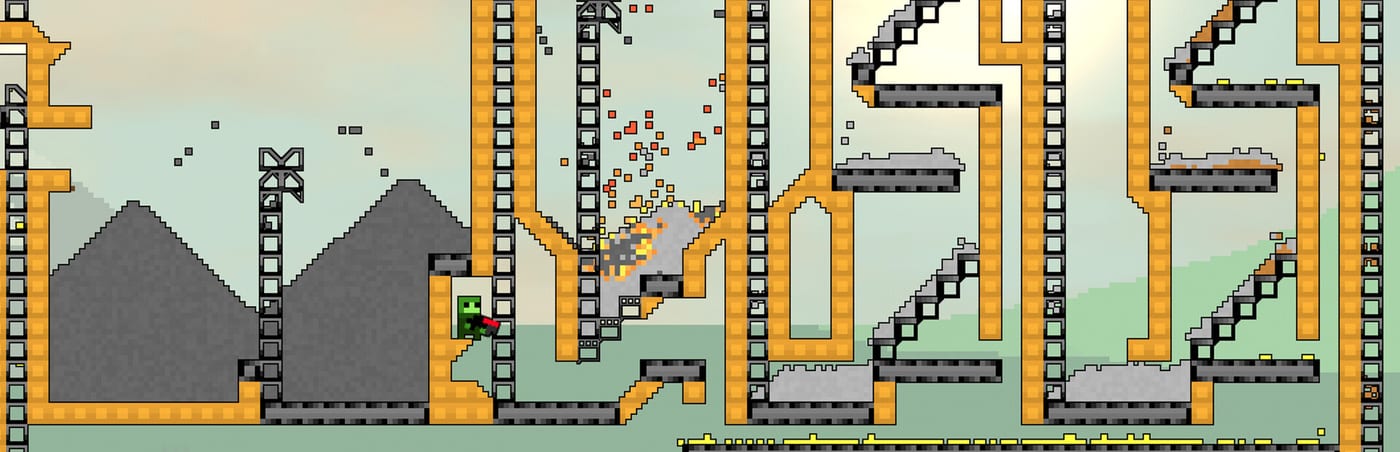
Sand is the resource you see first in Sandustry: pale, granular, and everywhere in the surface layers. Wet Sand is what you get after water contact, and it is the only sand variant that a Shaker turns into Gold and Slag. Treating dry sand and wet sand as interchangeable is the most common early mistake—dry piles on a shaker screen produce nothing useful while your research clock ticks.
Mining sand efficiently
Sand veins are wide but shallow in demo zones. Dig with horizontal tunnels rather than vertical shafts early on so collapsing piles do not bury your exit. A vacuum tool (see Tools and Weapons Priority) helps relocate sand from tight corners to a central drop chute. If you launch sand with a misaligned Launcher, expect scatter losses into Soil or Ice pockets that slow sorting later.
Stockpile more sand than you think you need. Community ratio notes often start around two parts Sand to three parts Water before RedSand enters the mix (Material Ratios). Running out of dry sand while water keeps flowing creates flooded wetting pools with no fresh input—a classic stall point covered in Water Management.
The wetting rule: 1 + 1 = 2
When Sand meets Water under normal conditions, the game applies a generous conversion: one Sand plus one Water yields two Wet Sand. That doubling is why efficient factories pre-mix in controlled pools instead of hosing random dig sites. Letting water spill across an entire sand field converts everything at once and removes your buffer for timed shaker feeds.
Controlled wetting means a narrow channel or tank where Conveyor Belts drop sand into standing water, then a second belt scoops Wet Sand from the pool floor. Depth matters: if the pool is too shallow, incoming sand pushes Wet Sand out the wrong side; too deep, and you wait for piles to settle before extraction.
Density and pile behavior
Dry Sand is lighter than Slag and Gold but heavier than Steam bubbles. Wet Sand sits between dry Sand and Slag on community density charts, which is why mixed piles sort under gravity when you have height. Use that fact with Filters if wet and dry sand contaminate each other before the shaker.
Wet Sand also sticks differently on diagonals. Shaker inputs should land on the upper intake tile so gravity pulls material across the screen. A vertical drop straight down often stacks in a heap that blocks the next piece. The Shaker page illustrates diagonal feed angles players use in demo layouts.
Separating dry and wet streams
Mixed belts are the silent killer of early gold lines. Dry Sand landing on a wet sand belt adds weight without shaker value; wet sand leaking onto a dry mining return contaminates stockpiles headed back to the mine. Label your lanes mentally—sand in, wet sand out—and use a one-tile gap or wall between them until Filters unlock. When retrofitting, pause the wetting pool intake first so you can reroute without flooding the whole floor.
Demo sand limits vs Early Access
The free Steam demo teaches wetting on surface Sandsoil layers with predictable vein width. Early Access on 2026-08-13 should expose deeper sand sources and longer conveyor runs; the wetting math stays identical. If your demo sand pit runs dry, expand horizontally before adding a third shaker—deeper digs belong on Dig Deeper once logistics exist. Surface depletion is a layout signal, not a reason to skip the 1+1=2 rule.
Feeding the gold loop
Your target throughput is Wet Sand equal to shaker capacity. One shaker at full feed in community testing yields roughly twenty to twenty-five percent Gold from Wet Sand input—the rest is Slag routed to burners (Gold and Slag). Scale sand mining and wetting together; doubling shakers without doubling wet sand only starves the second machine.
Link this page to Getting Started if you are on your first hour, then How to Get Gold when you spend your first gold on research. For the full material catalog, return to the Materials Hub.
Frequently Asked Questions
Quick answers to the most common Sandustry questions.
Can I put dry Sand on a Shaker?
No. Shakers require Wet Sand. Wet sand first in a controlled pool—see the wetting section above and [Shaker](/buildings/shaker/) for feed angles.
What is the Sand plus Water formula?
One Sand plus one Water creates two Wet Sand under normal mixing. Over-spilling water converts entire fields at once; use narrow wetting pools instead.
Why does my wet sand pile clog the belt?
Usually pile height or mixed dry sand blocking intake. Lower drop height, separate dry sand with [Filters](/buildings/filters/), and check [Conveyors and Launchers](/buildings/conveyors-launchers/).
How much sand should I stock before building shakers?
Enough to run wetting continuously while you build logistics. Community benchmarks in [Material Ratios](/materials/material-ratios/) start near a 2:3 sand-to-water mindset before RedSand.
Does Wet Sand freeze or boil?
Extreme cold and heat affect water phases nearby. Ice and steam interactions are covered in [Water, Ice, and Steam](/materials/water-ice-steam/) and [Pipes and Pumps](/buildings/pipes-pumps/).